Let me start at the beginning, just like Julie Andrews did.
I was brought up in the Welsh Baptist tradition. Chapel and Sunday School was part of my DNA. I nailed every Nativity play performance, stood proudly in the pulpit to recite ‘Duw Cariad Yw’ – God is Love – well in advance of some fellow toddler pilgrims, and even dressed up as Archbishop Desmond Tutu for one service.
We were a restrained breed of Baptist, far removed from our namesakes in America’s Deep South. We bore no resemblance whatsoever to the formidable evangelism of Those Born Again, but came into our own when the need arose for a hymn in four part harmony.
There was no fire and brimstone in our Seion Chapel in Morriston, though I do vividly recall colouring in a picture of Adam Ant once when Aunty Jean ran out of photocopies from the Epic Scenes of the Old Testament colouring book. Our sponsored walks for Christian Aid were profitable, the mystery trips to Tenby (sic) a triumph and we sponsored a little girl in India years before it was on trend to do so.
But when, in my teenage years, my church and sexuality began to collide, I no longer found sanctuary in its familiarity. Faith hadn’t escaped me, but faith in the institutions gate keeping it had.
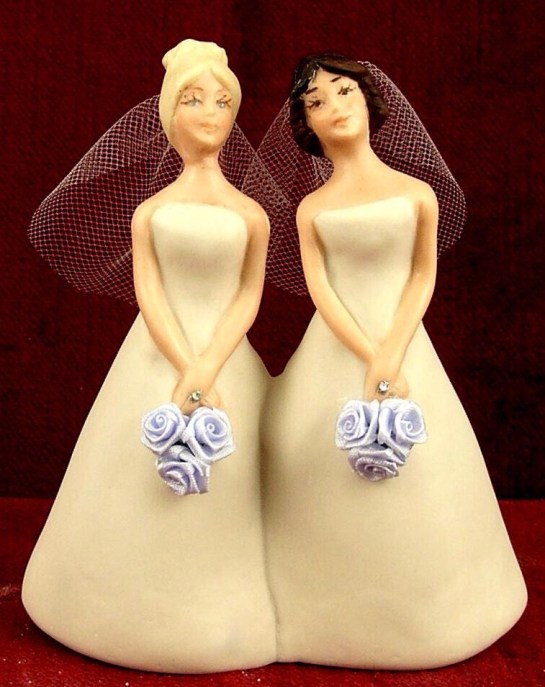
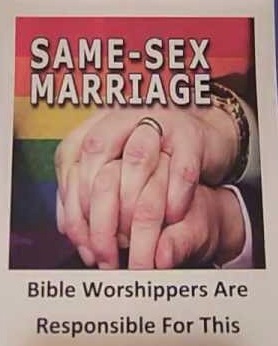
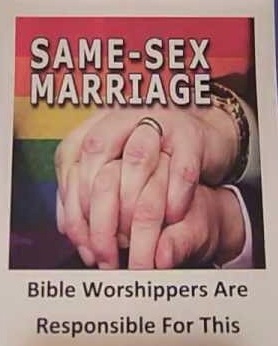
And so earlier this year, as equal marriage for gays was enshrined in law, I happened to read that the Baptist Union of England and Wales had decided to let individual chapels decide whether to do God’s will and bless same sex unions; religious localism was ushered in with little fanfare.
Soon congregations across the land would finally get to feel how Job felt, with those who had for years sat in judgment on their brothers and sisters finally given a mandate to express it – the power, and relish, of the vote.
It’s with a heavy heart that I share with you that my mother’s prayers are no longer mouthed in the chapel of my youth. The renegade lot couldn’t bring themselves to bless a love that dares not speak its name, so Mam plumped for the other tool open to the democrat, and voted with her feet. The loss is theirs, and her prayers remain heard elsewhere.
So why blog about this now? Well in part to express the pride I have for the stand my mother, and all the others like her, take for us black sheep. But also because it saddens me to think that some in the flock of my early years have yet to see the light. It was in chapel, after all, that I encountered a formative gay role model – our chapel organist – a man seemingly good enough to accompany any blessing in God’s house other than one of his own.
And if I had another chance to stand in the pulpit and proudly recite an adnod again, I would this time turn to Gwenallt’s poem to do the job: “Gwae inni wybod y geiriau heb adnabod y Gair.”